In today’s first session, we got situated with basic housekeeping + intros, some background lecture, and some hands-on exercises. I’m very pleased to see a few different departments represented in this class: ITP of course, CUSP (NYU’s Center for Urban Science and Progress), and Journalism. Students represent a wide range of previous experience, from animation, to computer science, to geography, to art. With such a range, I hope the class provides opportunities for interdisciplinary collaboration.
During lecture and discussion, I asked students to share some experiences with their own personal tracking technology. Students talked about step trackers in gyms and as wearables, location trackers worn for marathon training, and apps to help quit smoking. The notion of behavior modification came up, and the role that personal psychology and active/passive sensing plays in motivating behavior change.
While I made a lot of choices to include and not include certain concepts and technologies in the class syllabus, I had not considered including a session on the personal psychology of tracking devices. I think some of these concepts may be covered as we conduct user tests and think about social and ethical implications towards the end of the semester, but I’m going to keep thinking and looking for a way to support these considerations more strongly. Let me know if you have suggestions.
And now… resources we discussed, and assignments.
NYU Resources
Lecture decks and additional reading
- HCI sub-fields
- Prototyping
- Sensor System Flowchart
- MIT Tech Review, Business Report: Cities Get Smarter
- Fast Company: NYC Hudson Yards as Quantified Community
- Next City: Quantifying Our Cities, Ourselves.
Assignment
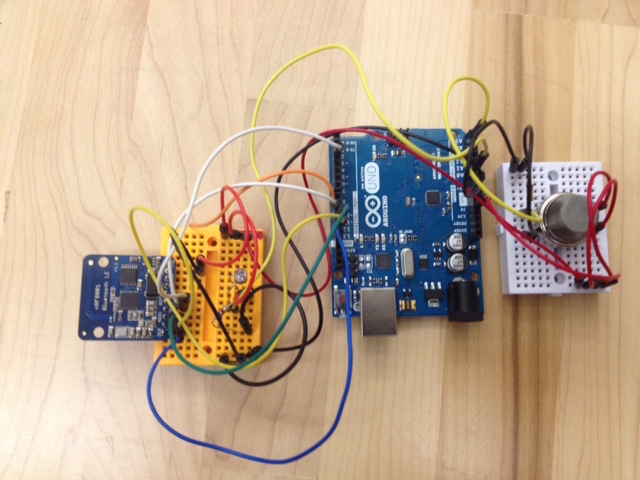
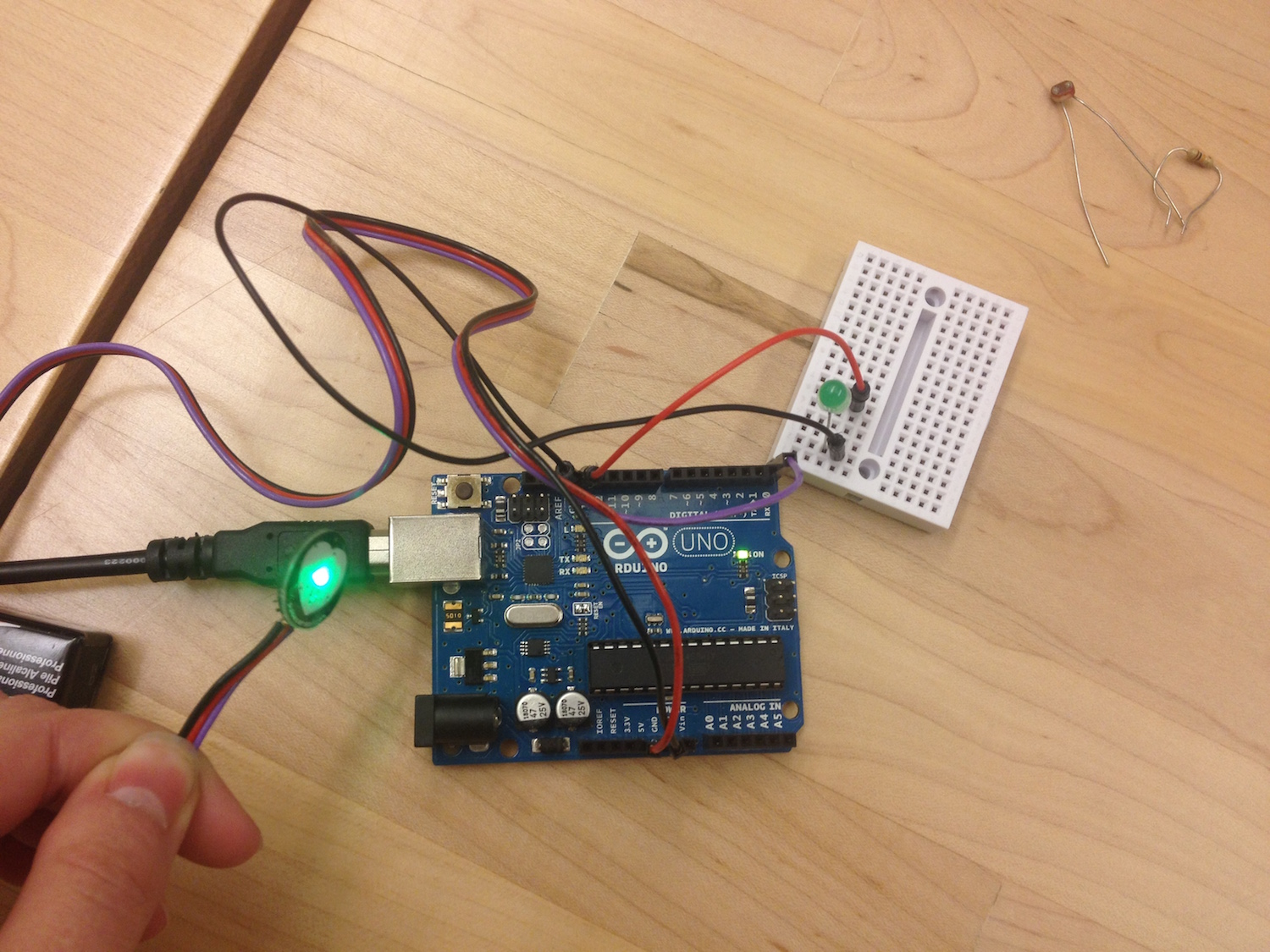
- Finish connecting your photoresistor (if you plan to build a data-tracking instrument); use can the P-Comp site to help. Working in groups is fine.
- OR write a detailed blog post on your observations and reflections on the class and the meaning of “quantified self” and “smart city.” You can use the lecture decks above as source material. If you chose the writing assignment, please write a solo post.
- Email me a link to your web site, blog, or blog category for this class. If you don’t have a blog, consider setting one up– it’s a great way to collect and present your work. If you don’t want to do that, plan to email me weekly.
- Look through the sensor list below and pick a sensor to experiment with in next class. Email me to reserve the sensor, and please share a few ideas for what you want to do with it.
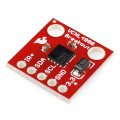 SparkFun Infrared Proximity Breakout – VCNL4000
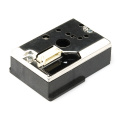 Optical Dust Sensor – GP2Y1010AU0F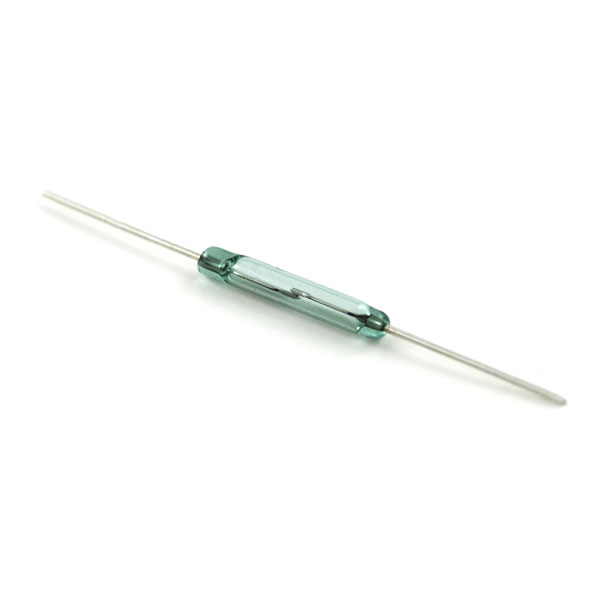
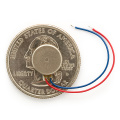 Vibration Motor
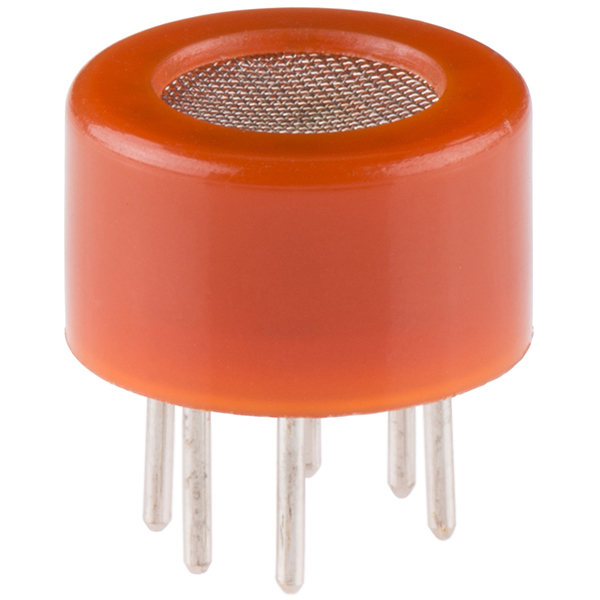 Alcohol Gas Sensor – MQ-3
 Piezo Vibration Sensor – Small Horizontal
 Carbon Monoxide Sensor – MQ-7
 Methane CNG Gas Sensor – MQ-4
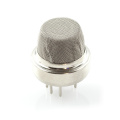 LPG Gas Sensor – MQ-6
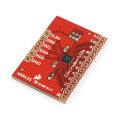 SparkFun Capacitive Touch Sensor Breakout – MPR121
 Load Sensor – 50kg
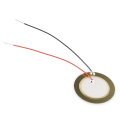 Piezo Element
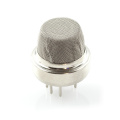 Hydrogen Gas Sensor – MQ-8


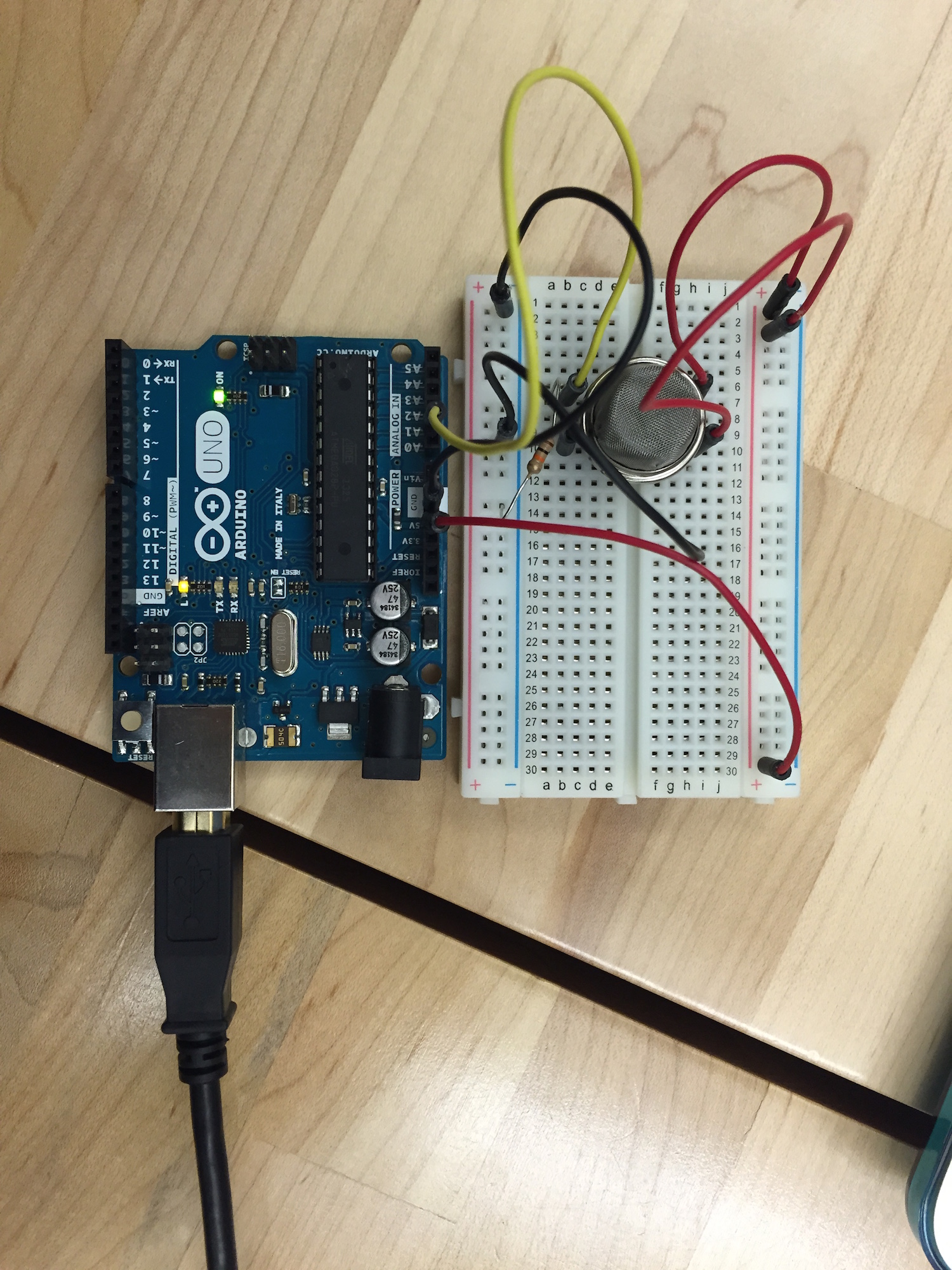
 Alcohol Gas Sensor – MQ-3


